Leon Tefft
Author, Writer & Poet
Leon Tefft
Author, Writer & Poet

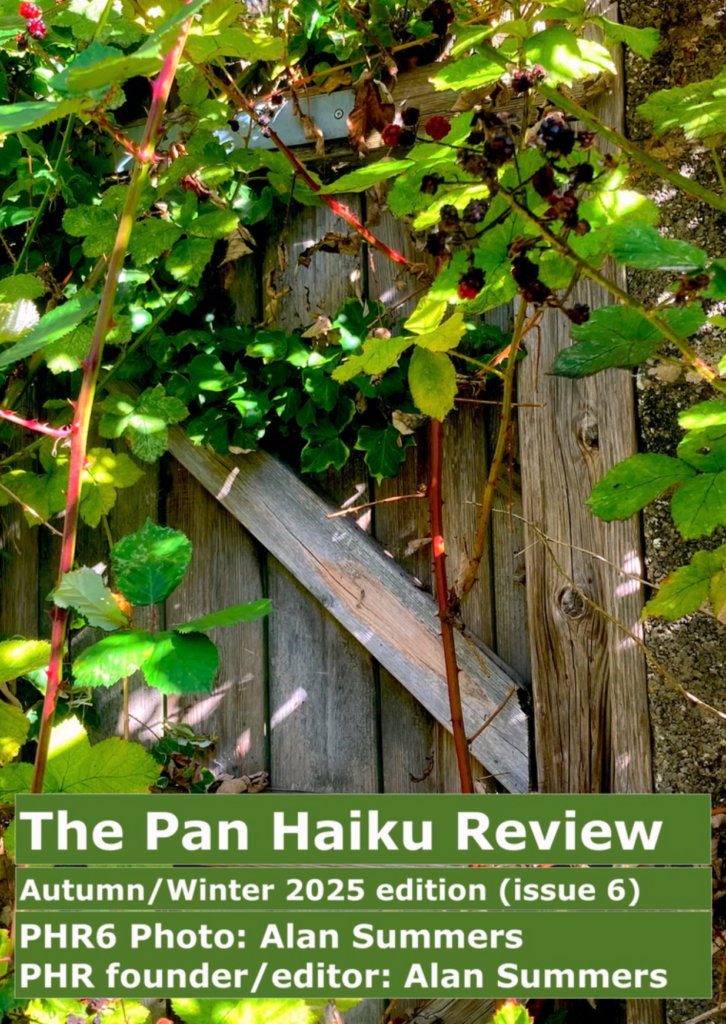
I’ve learned a great deal from Alan Summers, and I’m always proud to be included in his entertaining and informative Pan Haiku Review. Here are two of my haiku published in the Autumn/Winter 2025 Edition.
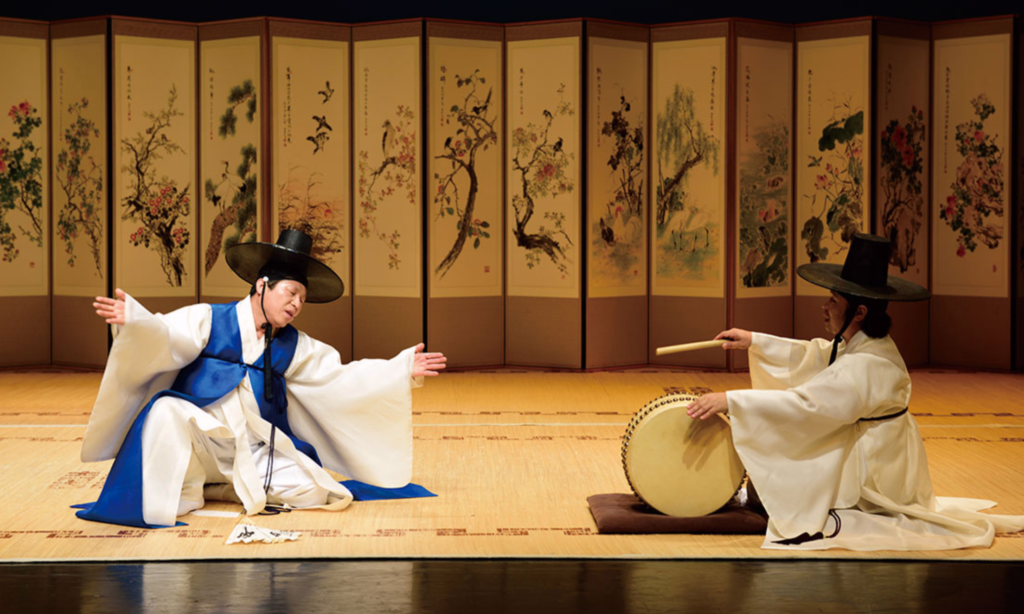
pansori clown
stirring my green tea
After learning about pansori and how the performances are often “stirring,” I thought of the shift to green tea I might enjoy with a performance. Green is the most common leaf tea in Korea. This is my first duostich (two-line haiku), seemingly the most appropriate form for this particular haiku.
Alan followed up on this haiku with his own note about pansori:
Pansori is a traditional Korean art form of musical storytelling that features a single singer (sorikkun) and a drummer (gosu). The term combines the Korean words pan (open space) and sori (sound/song), referring to its origins in public spaces. A pansori performance includes song, narration, and dramatic gestures, often conveying deep emotions like han, which is a feeling of sorrow and longing.
Pansori was originally called the “sori”, and it was called Taryeong, Japga , Clown
Song, and Geukga.

strait passage
the ferryman's call
in many tongues
Ferry operators in numerous global regions must navigate routes that cross international borders or major linguistic lines, requiring proficiency in various languages for effective communication. For example, a ferryman crossing the English Channel or Strait of Dover requires both English and French. In the Mediterranean, this mix often expands to include Italian, Greek, English and various Slavic languages. In highly multilingual regions like Southeast Asia and the Indonesian Archipelago, the close geographic proximity of diverse populations means a ferryman may encounter multiple forms of Malay or Chinese dialects.
That being said, the inspiration for this haiku came from “The Outlaw Josey Wales.” The ferryman in the film, upon crossing the Missouri River, cleverly switched his song according to his destination, singing “The Battle Hymn of the Republic” when approaching the north shore and “Dixie” when approaching the south shore.
Please do click this link to check out Alan’s wonderful Pan Haiku Review.